Most data platforms are not built on clean, well-documented systems. Data usually comes from systems that were built at different times, by different teams, for different purposes. Over the years, schemas drift, identifiers change, and documentation stops matching what is actually in the data. By the time a central platform is needed, much of the real logic exists only in people’s heads or in downstream reports.
A data platform built for this kind of environment has to accept that the data will be messy. Trying to force early standardization or assuming documentation is correct usually causes problems later. The focus should be on creating a platform that can absorb inconsistencies, expose them clearly, and improve over time.
Discovery Needs to Be Ongoing
In inherited data environments, discovery does not end after the first round of profiling. The real issues often show only after pipelines are running, and data is being used. That is why discovery needs to be treated as an ongoing capability, not a one-time phase.
Raw data should be stored exactly as it is received. This makes it possible to re-check assumptions, compare historical data, and understand how upstream changes affect downstream outputs. Validation should be explicit and visible. When records fail checks, the platform should capture what failed and why, instead of silently fixing or dropping data.
As new patterns and undocumented rules are identified, they should be written down, versioned, and tied back to the transformations that use them. Over time, this reduces guesswork and makes the platform more predictable.
Governance and Security Should Be Built In
For platforms that handle sensitive or regulated data, governance cannot be added later. Rebuilding security usually leads to delays and brittle solutions.
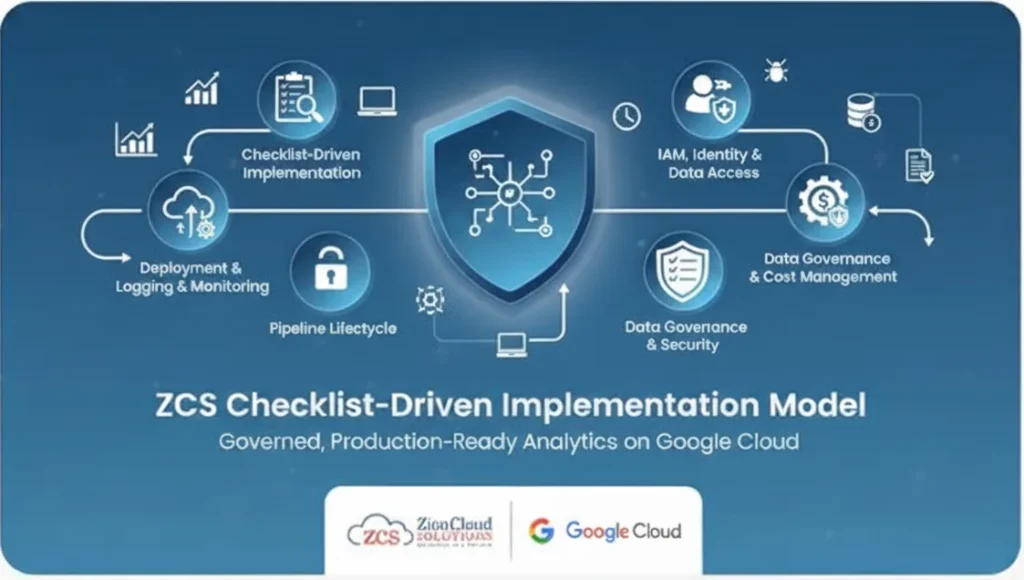
A better approach is to build governance into the platform from the beginning. Access should be based on identity and role, not shared credentials. Network exposure should be minimized or eliminated instead of controlled through complex exceptions. Every data movement and transformation should leave an audit trail that can be used for troubleshooting as well as compliance.
When these controls are part of the platform design, teams spend less time working around security and more time delivering useful data.
Operational Visibility Is Critical
Many platforms fail in production because teams do not have enough visibility into what is happening day to day. When pipelines break or data quality drops, the impact is often noticed by users first.
Operational visibility should include pipeline status, data freshness, validation failures, and processing trends. Dashboards and alerts help teams respond quickly and consistently. They also make it easier to explain issues to stakeholders without digging through logs or code.
Treating operations as a first-class concern makes the platform more stable and easier to support over time.
Delivering Value Without Cutting Corners
Large data programs often try to solve everything upfront and end up taking too long to show results. A more effective approach is to deliver in stages.
Core infrastructure can be set up early using repeatable patterns. High-priority data sources can be onboarded first, and initial dashboards can be used to validate the full data flow. These early results help identify gaps, refine assumptions, and build confidence.
As more sources are added, the same patterns can be reused instead of creating one-off solutions.
Designing for Change
Data platforms rarely stay static. New systems come in; definitions change, and reporting needs to evolve. Platforms that assume stability tend to become hard to maintain.
Using parameterized pipelines, metadata-driven logic, and modular infrastructure makes it easier to adapt without constant redesign. This allows the platform to grow in scope and complexity while remaining manageable.
Wrapping Up
Data platforms that work well in practice are designed for imperfect data, changing requirements, and operational accountability. When discovery, governance, and operational visibility are treated as core design concerns, analytics become easier to deliver and easier to trust.